West Oak Trails Has Two Housing Markets Hiding in One Neighborhood
Why would a detached house in West Oak Trails sit on the market for two and a half months this summer while a townhome three streets over gets snapped up and starts climbing in value the same week? That is not a trick question. It is what the data for this specific pocket of Oakville actually shows as of mid-August 2026, and it is the kind of split that a citywide average papers over completely.
West Oak Trails detached houses currently rank eighth out of nine Oakville neighborhoods for days on market, sitting at roughly 78 days before selling. Prices for that segment have moved down about 9.1 percent month over month. In the same neighborhood, over the same stretch, condo values are up 11.24 percent, with West Oak Trails ranking sixth out of 21 Oakville neighborhoods for condo growth. One property type is cooling. The other is accelerating. Both are happening inside the same set of streets.
If you are comparing West Oak Trails to another Oakville pocket right now, that gap matters more than either number on its own.
A single-neighborhood median price flattens this out. It blends a slow-moving detached segment with a fast-moving townhome and condo segment and hands you one number that describes neither well. Pull the two apart and the picture changes.
On the house side, West Oak Trails detached homes are priced below both Glen Abbey, where the neighborhood average runs about $1,642,682, and Sixteen Hollow, at roughly $1,800,357. That positioning should, in theory, make West Oak Trails detached homes more attractive to a broader buyer pool. Instead, this segment is among the slowest-selling in Oakville this summer, and prices have softened rather than firmed.
On the condo side, West Oak Trails is priced above its immediate comparison set, not below it. Nearby condo averages run about $506,326 in Palermo Village, $415,200 in Sixteen Hollow, and $644,220 in Glen Abbey. West Oak Trails condos sit around $863,827, up from a three-month moving average near $833,908, and that premium has not stopped buyers from bidding the segment up further.
A neighborhood that is cheaper than its neighbors on one product type and pricier than its neighbors on another, moving in opposite directions on both, is not a market with one story. It is two markets that happen to share a postal code.
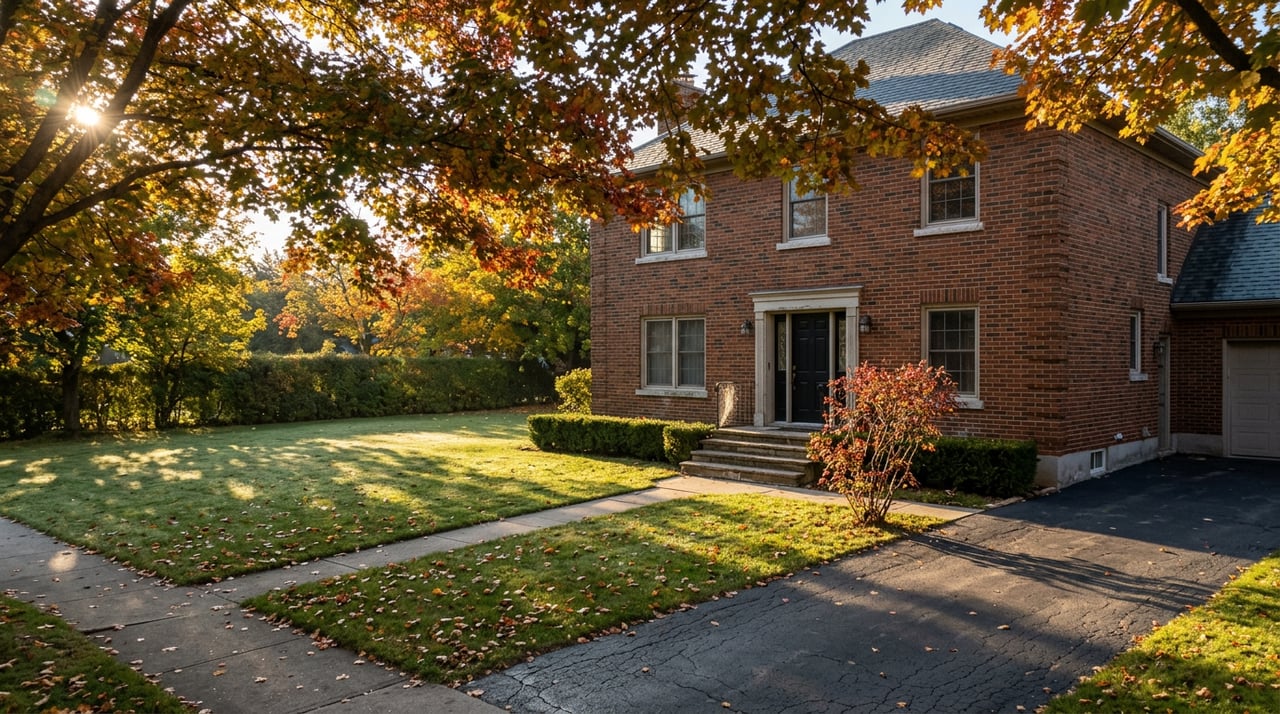
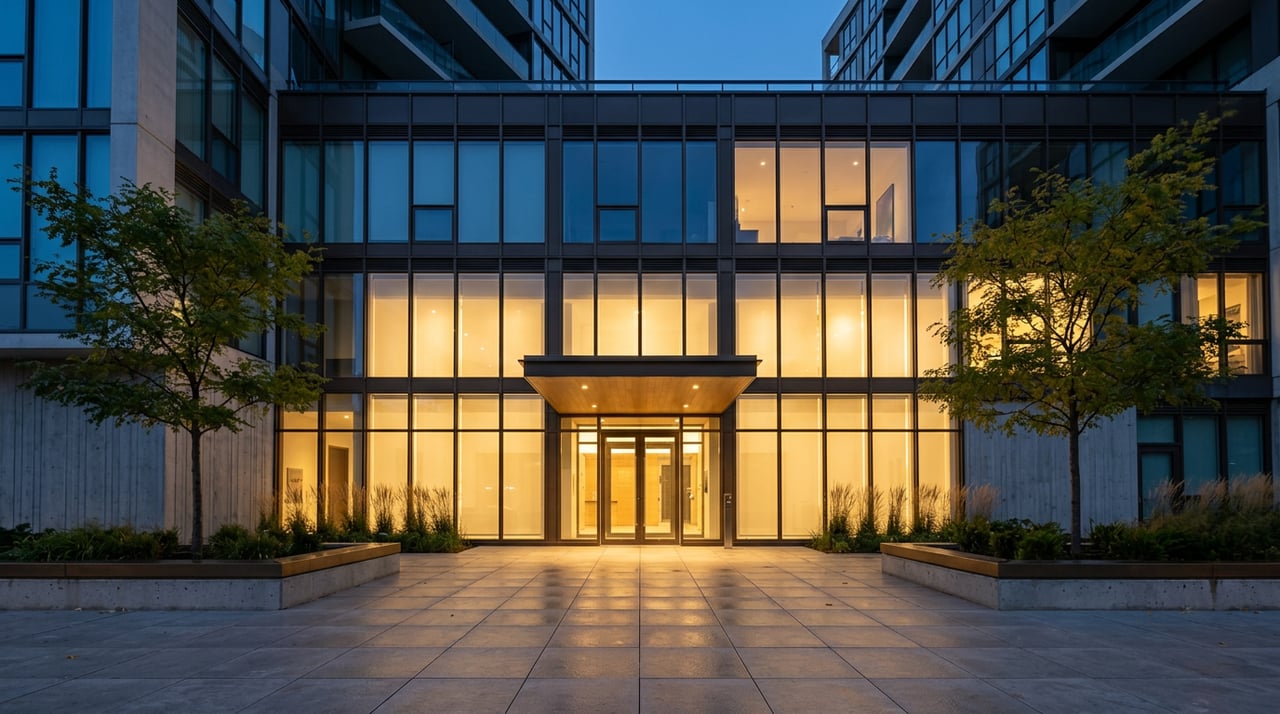
Part of what makes this split legible is what West Oak Trails actually built. This is a planned community that took shape from the 1990s into the early 2000s, mostly detached homes on family-sized lots with a mix of semis and townhomes, not a corridor of glass towers. When the condo category shows growth here, it is describing townhomes and stacked towns far more than it is describing high-rise units, which is a different product with a different buyer than the "condo" label suggests in a downtown context.
That distinction lines up with a broader pattern across Oakville. Between January and early March 2026, freehold townhome absorption in Oakville climbed from about 15.6 percent to 21.8 percent, with condo townhomes close behind at roughly 19.6 percent. Apartment-style units, by contrast, were essentially flat over the same window. The segment doing the heavy lifting across the whole town is the townhome tier, and West Oak Trails has a denser concentration of exactly that product than most Oakville neighborhoods.
Here is how the two property types stack up against the closest comparison points:
| Neighborhood | Detached average | Condo/townhome average |
|---|---|---|
| West Oak Trails | below both figures at right | roughly $863,827 |
| Glen Abbey | about $1,642,682 | about $644,220 |
| Sixteen Hollow | about $1,800,357 | about $415,200 |
| Palermo Village | not applicable | about $506,326 |
West Oak Trails is the cheapest detached option on this list and the most expensive townhome option on this list, at the same time.
Some of this comes down to what a buyer can actually finance right now. BestRates.ca says the federal insured-mortgage cap now covers purchases up to $1.5 million, which lets qualifying buyers put down as little as 5 percent. That cap sits well above what a West Oak Trails townhome costs and well below what most Sixteen Hollow or Glen Abbey detached homes cost, which means it functionally widens the buyer pool for the exact price band West Oak Trails' townhome stock occupies while doing almost nothing for the detached segment above it.
Borrowing costs have settled into a range that makes this more workable than it was two years ago. Canada's prime rate has been sitting around 4.45 percent through the middle of 2026, following a Bank of Canada hold near 2.25 percent earlier in the year. That combination has not pulled every segment of the market back to life evenly. It has specifically unlocked the price band where a 5 percent down payment makes the monthly number pencil out, and in West Oak Trails that band is townhomes, not detached homes.
If you are cross-shopping West Oak Trails against Glen Abbey or River Oaks for a detached home, the current softness in West Oak Trails' detached segment is not a sign the neighborhood lost appeal. It is a smaller buyer pool for that specific price tier relative to how many detached listings are sitting on the market, which is a negotiating position, not a warning sign. A 78-day average days-on-market figure means sellers in this segment are more open to conditions, closing-date flexibility, and price discussion than a headline "Oakville is a seller's market" narrative would suggest.
If you are shopping the townhome or condo tier instead, the calculus flips. An 11.24 percent value increase in a few months, in a segment already priced above its closest comparables, means less room to negotiate and a shorter window before a good listing is gone. The insured-mortgage math that makes this segment newly reachable for more buyers is the same math pulling more buyers into the same limited inventory.
If you own a detached home in West Oak Trails and are weighing whether to list this fall, the 9.1 percent month-over-month softening does not mean waiting fixes the problem. It means the segment rewards a sharp opening price more than it ever did during the past few years of tighter inventory. Overpricing into a market where comparable homes are already averaging 78 days on market is the fastest way to end up negotiating from a weaker position a month or two in, rather than setting the terms from day one.
Does this make West Oak Trails a buyer's market overall? Not evenly. It is a buyer's market for detached homes and closer to a seller's market for townhomes and condos, inside the same neighborhood boundary. Treat the two segments separately when you read any single average.
Why did a citywide Oakville condo report look flatter than this neighborhood's condo numbers? Citywide condo figures blend apartment-style units, which have been closer to flat, with townhomes and stacked towns, which have been the strongest-absorbing segment in Oakville this year. West Oak Trails' housing stock leans heavily toward the second category, so its condo numbers move with the townhome trend rather than the apartment trend.
If you are trying to figure out which half of this market your own West Oak Trails property sits in, or which half makes sense for what you're trying to buy, that is exactly the kind of question a single average can't answer for you. Robertson Kadwell can walk through your specific address or price range against these numbers and help you request your complimentary home valuation before you price a listing or make an offer.
This article is general information, not legal, tax or financial advice. Consult a qualified professional about your situation.
Stay up to date on the latest trends in real estate.

Get assistance in determining current property value, crafting a competitive offer, writing and negotiating a contract, and much more. Contact us today.