Your Erin Mills Mississauga Neighbourhood Guide
If you want a Mississauga neighbourhood that balances established residential streets with everyday convenience, Erin Mills deserves a close look. For many buyers, the challenge is figuring out whether it feels more like a traditional family-home area, a transit-connected urban hub, or something in between. The answer is a bit of both, and that mix is exactly what makes Erin Mills appealing. In this guide, you’ll get a clear picture of housing, pricing, amenities, transit, green space, and what daily life can look like here. Let’s dive in.
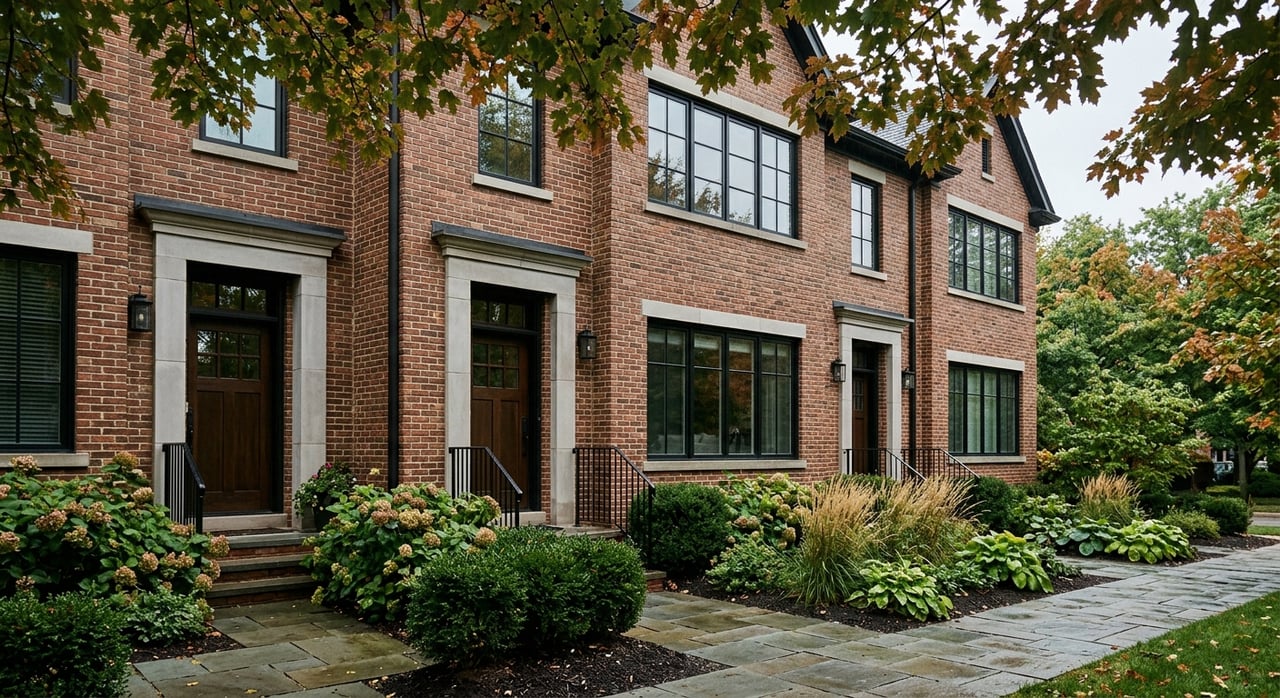
Erin Mills is not a single, uniform subdivision. Mississauga planning documents describe it as a planned district with a mix of low-density detached and semi-detached homes, medium-density townhouses, and higher-density apartment development.
That matters when you start your home search. You are not choosing between only one housing style or one kind of streetscape. Instead, you can compare quieter low-rise pockets with more active areas near shopping, transit, and community services.
One of the most important things to understand is the difference between the Central Erin Mills core and the wider Erin Mills district. Around Erin Mills Town Centre, the area functions as a major node with retail, community facilities, transit infrastructure, and residential uses working together.
This central pocket has the most urban feel in the neighbourhood. Planning documents identify Erin Mills Town Centre as the retail anchor, with apartments, townhouses, office uses, hospital uses, and commercial space nearby, plus room for future intensification.
Outside that core, Erin Mills shifts back to a more conventional suburban pattern. The broader district is largely residential and low-rise, with detached and semi-detached homes making up much of the housing fabric, along with pockets of townhouses and apartments.
For buyers, that means your experience can vary a lot depending on where you look. If you want to be closer to transit and daily errands, the central area may suit you. If you prefer a quieter low-rise setting, the surrounding residential belt may feel like a better fit.
Erin Mills offers one of the more flexible housing mixes in Mississauga. City policy allows a range of home types here, including detached homes, semi-detached homes, duplexes, street townhouses, horizontal multiple dwellings, and apartments.
That variety gives you more ways to match your budget and lifestyle. Whether you are buying your first condo, moving into a townhouse for lower maintenance, or searching for a detached home with more space, Erin Mills supports all of those paths.
This is also helpful if you are thinking long term. A neighbourhood with a broad housing mix can work well for buyers who expect their needs to change over time, whether that means upsizing, downsizing, or staying close to familiar amenities.
Recent neighbourhood market reporting places Erin Mills above some nearby Mississauga areas in average sold price. As of April 2026, Zolo reports an average sold price of $995,448 for Erin Mills and $948,649 for Central Erin Mills.
For comparison, Clarkson is reported at $933,524 and Meadowvale at $782,450. Median days on market were 28 days in Erin Mills, 27 in Central Erin Mills, 28 in Clarkson, and 22 in Meadowvale.
These are neighbourhood averages, so they can shift based on the mix of condos, townhouses, and detached homes selling in a given month. Still, the numbers suggest Erin Mills generally sits at a higher price point than Meadowvale and slightly above Clarkson.
If you are narrowing down where to buy in west Mississauga, Erin Mills often lands in the middle of two very different comparisons. Clarkson is shaped by a more explicit village and transit-supportive identity around Clarkson GO Station, while Meadowvale includes a mix of townhouse, apartment, and retail areas with strong community amenities and park access.
Erin Mills offers a different blend. It is more anchored by a mall, hospital, Transitway station, and a wide residential base, rather than a main street or a walk-up GO rail core.
In practical terms, Erin Mills can appeal to buyers who want a neighbourhood that feels established and full-service. It tends to offer more housing variety than Meadowvale and a different kind of daily convenience than Clarkson.
A big reason buyers consider Erin Mills is convenience. The Central Erin Mills area is anchored by Erin Mills Town Centre and supported by community facilities, transit access, and nearby hospital uses, which gives the district a strong everyday-service base.
This makes routine errands easier to manage. Depending on where you live, you may be close to shopping, transit connections, library services, recreation space, and major roads without needing to leave the neighbourhood for basic needs.
Erin Meadows Community Centre and Library is another important local feature. The City describes it as Mississauga’s first shared-use facility, built in partnership with the City, the Mississauga Library Board, and the Dufferin-Peel Catholic District School Board.
For many buyers, that kind of civic infrastructure adds value beyond the home itself. It supports the sense that Erin Mills functions as a complete neighbourhood, not just a collection of houses.
Erin Mills is served by both the Peel District School Board and the Dufferin-Peel Catholic District School Board. Catchment areas vary by address, so if schools are a major part of your decision, it is important to confirm boundaries for any home you are considering.
Public school anchors mentioned in Ontario school profiles include Credit Valley Public School, Erin Mills Middle School, and John Fraser Secondary School. For 2024-2025 preliminary reporting, enrolment figures are listed as 655 for Credit Valley Public School, 410 for Erin Mills Middle School, and 1,715 for John Fraser Secondary School.
The Catholic system also has a notable presence in Erin Mills. St. Clare Catholic Elementary School reports a student population of about 300, St. Margaret of Scotland Catholic Elementary School notes its French Immersion program history, and St. Aloysius Gonzaga Catholic Secondary School serves more than 1,700 students and offers programs including Extended French and SHSM.
Erin Mills has strong access to natural corridors and local green space. Mississauga’s official plan describes the district as being shaped by the Credit River valley, Sawmill Creek, Mullet Creek, and Glen Erin Brook.
For buyers who want outdoor access built into daily life, this is a meaningful advantage. The Credit River valley acts as the main natural corridor, while other creek systems support additional passive recreation links across the area.
The Sawmill Valley Trail is one of the better-known local routes. The City describes it as a 2.4-kilometre multi-use trail running along Sawmill Creek.
The Glen Erin Trail adds another useful option, forming an approximately 9-kilometre loop through Erin Mills. The Erin Centre Trail was upgraded to AODA standards and connects Golder Community Park, Jim Murray Community Park, McCarron Park, and Winston Churchill Transitway Station.
You will also find neighbourhood-scale park spaces such as Quenippenon Meadows and Duncairn Downs. The City says Duncairn Downs includes a soccer pitch, baseball diamond, playground equipment, and an accessible pathway.
Erin Mills is well connected, though not in the same way as a neighbourhood centered on a GO rail station. Erin Mills Station is part of the 18-kilometre Mississauga Transitway and sits northwest of the Erin Mills Parkway and Highway 403 interchange.
The station includes MiWay routes 46, 48, 109, and 110, plus free parking for 300 vehicles and GO Transit connections. MiWay also notes that its system connects with GO Transit, TTC, Brampton Transit, Milton Transit, and Oakville Transit.
Other routes help support local movement. Route 9 Rathburn-Thomas serves Erin Mills Town Centre, Credit Valley Hospital, and Erindale GO Station, while Route 13 Glen Erin runs north-south between Clarkson GO Station and Meadowvale Town Centre.
For many buyers, the practical takeaway is simple. Erin Mills offers strong regional bus connectivity and convenient highway access, but much of the GO access is transfer-based rather than centered on a walkable rail station in the neighbourhood core.
If you are buying with an eye on long-term change, Erin Mills is worth watching. The central corridor around Erin Mills Town Centre and Erin Mills Parkway is already identified for ongoing intensification.
Recent City planning activity shows continued redevelopment interest. One amendment at Eglinton Avenue West and Erin Mills Parkway seeks to add townhouse permissions and mixed commercial uses, and an active application at 4099 Erin Mills Parkway proposes five residential buildings and stacked townhouses.
For you as a buyer, this does not mean every part of Erin Mills will change at the same pace. It does suggest that the central node will likely keep evolving toward a more mixed-density pattern over time, especially near major corridors and transit infrastructure.
Erin Mills can be a strong fit if you want options. It offers a mix of home types, a well-established residential base, substantial parks and trails, and a central area with shopping, hospital services, and Transitway access.
It may especially appeal to buyers who want more flexibility than a single-format neighbourhood can provide. You can target a condo or townhouse near the core, or search for a more traditional low-rise setting in the surrounding residential pockets.
The key is understanding the micro-location. In Erin Mills, being near the Town Centre, the Transitway, a trail system, or a quieter residential street can shape your experience in very different ways.
If you are weighing Erin Mills against other Mississauga neighbourhoods, a block-by-block strategy matters. The right fit often comes down to your commute, housing type, budget, and how you want daily life to feel once you move in.
If you are thinking about buying in Erin Mills or comparing it with other Mississauga neighbourhoods, Robertson Kadwell can help you evaluate home types, pricing, and micro-locations with clear, data-driven guidance.
Stay up to date on the latest trends in real estate.


Get assistance in determining current property value, crafting a competitive offer, writing and negotiating a contract, and much more. Contact us today.